
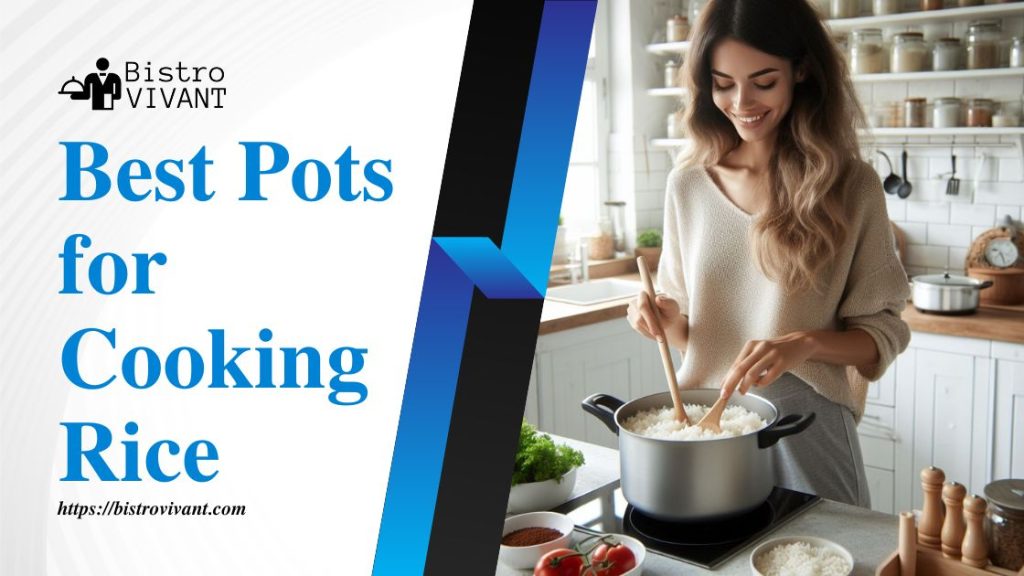
Choosing the best pot for cooking rice isn’t just about finding a container where your rice won’t stick or burn; it’s about enhancing the flavor and texture of your rice to perfection. Whether you’re a fan of fluffy basmati, sticky sushi rice, or hearty brown rice, the right cookware can make all the difference.
It’s crucial to consider material, size, and design when picking your ideal rice pot. Materials like non-stick, stainless steel, and cast iron offer various benefits, from easy cleaning to even heat distribution. Plus, the size of the pot should match your cooking needs—smaller pots for individual servings and larger ones for family meals.
Remember, a good rice pot isn’t just a tool; it’s your partner in the kitchen for achieving that perfect plate of rice every time. Let’s dive into what makes a pot stand out in the world of rice cooking.
Key Features to Consider When Choosing a Rice Cooking Pot
Material
Let’s talk about materials first. Whether it’s stainless steel, cast iron, non-stick, or ceramic, each has its own set of benefits. Stainless steel pots are durable and resistant to rust, making them a long-lasting choice. Cast iron pots excel at retaining heat, but they’re heavy and require more care to prevent rusting. Non-stick pots are the go-to for easy cleaning and ensuring your rice doesn’t stick to the bottom. Lastly, ceramic pots are great for even heat distribution, giving you perfectly cooked rice every time.

Size and Capacity
Now, onto size and capacity. It’s crucial to match the pot’s size with your family’s needs. A small pot is perfect for a single person or a couple, while larger families would benefit from a bigger pot. Remember, cooking rice in a pot that’s too big or too small can affect the texture and consistency of the rice.
Heat Distribution
Heat distribution is key. A pot that distributes heat evenly will cook your rice perfectly every time. Uneven heat can lead to partially cooked rice, with some grains too soft and others still hard. Look for pots that are known for their even heat distribution to avoid this problem.
Lid Quality
Don’t overlook the lid. A tight-fitting lid is essential for cooking rice because it helps to retain steam and maintain a consistent temperature inside the pot. This ensures that the rice cooks evenly and absorbs the right amount of water.
Ease of Cleaning
After enjoying your perfectly cooked rice, the last thing you want is a cleaning nightmare. This is where non-stick pots shine, offering hassle-free cleaning. Traditional materials like stainless steel or cast iron might require a bit more elbow grease but can be kept clean with proper care.
Compatibility with Heat Sources
Finally, consider your heat source. Not all pots work with every heat source. For example, induction cooktops require pots with a magnetic base, like certain stainless steel models. On the other hand, gas and electric stoves are more forgiving and can accommodate a wider range of materials. Make sure the pot you choose is compatible with your stove to avoid any cooking mishaps.

Traditional Rice Cooking Pots
When you’re on the hunt for the best pot for cooking rice, diving into the world of traditional rice cooking pots can be a game-changer. These pots, made from materials like earthenware, clay, and cast iron, not only add a dash of tradition to your kitchen but also enhance the flavor and texture of your rice. Let’s explore why these options are so revered and how they impact the cooking qualities of rice, making each meal a unique experience.
Traditional Earthenware Pots
Earthenware pots are a treasure in many cultures around the globe. These pots, crafted from natural clay and baked at high temperatures, offer a unique way to cook rice. The porous nature of earthenware allows for slow and even heat distribution, ensuring your rice cooks perfectly. The slow cooking process also means that each grain of rice has the time to absorb water evenly, leading to fluffier and more flavorful results. Moreover, the natural materials used in these pots can add a subtle earthiness to your rice, enhancing its natural flavor.
Clay Pots for Rice Cooking
Clay pots take the rice cooking experience a step further. Similar to earthenware, clay pots offer excellent heat distribution but with a slightly different twist. The micro-porous structure of clay allows it to breathe during the cooking process, which can significantly enhance the texture and taste of the rice. Cooking rice in a clay pot often results in a slightly nutty flavor and a more pronounced aroma. Additionally, the natural insulation properties of clay ensure that rice stays warm long after it’s been removed from the heat source.
Cast Iron Options
Cast iron pots are renowned for their durability and versatility, and when it comes to rice cooking, they’re no exception. A cast iron pot can provide an exceptionally even heat, which is crucial for perfectly cooked rice. Unlike earthenware and clay, cast iron heats up quickly and maintains its temperature, reducing cooking time and energy consumption. Plus, a well-seasoned cast iron pot can add a unique depth of flavor to your rice, making it not just a cooking vessel but a contributor to the meal’s overall taste.
Cultural Significance
Each of these pots carries with it a slice of cultural heritage, making the simple act of cooking rice a more meaningful experience. Whether it’s the Japanese donabe, the Indian handi, or the Korean dolsot, these traditional pots are much more than just cookware. They are a link to centuries-old culinary traditions and practices that have been passed down through generations. Incorporating these pots into your cooking routine is a way to honor and explore these cultures right in your own kitchen.
Unique Cooking Qualities
What sets these traditional pots apart is not just their material or construction but also the unique cooking qualities they bring to the table. Their even heat distribution, natural insulation, and ability to enhance flavor and aroma make them unmatched by modern cookware. Plus, the health benefits of cooking with natural materials like clay and cast iron are a significant bonus, offering a toxin-free cooking surface.
Modern Innovations in Rice Cooking Pots
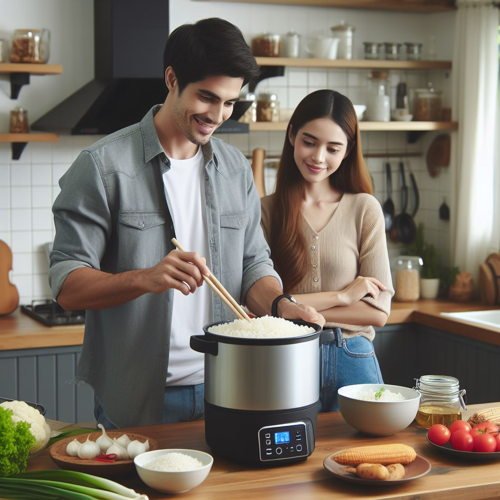
The quest for the best pot for cooking rice has taken a modern turn, with technology and versatility playing pivotal roles. If you’re looking to elevate your rice-cooking game, the latest smart pots and multi-functional cookers are where it’s at. These aren’t just any pots; they’re designed to make your culinary life easier and your rice tastier.
Smart Technology Pots
Imagine a pot that knows exactly how to cook your rice to perfection every time. That’s what smart technology is all about. These innovative kitchen gadgets come equipped with built-in sensors that adjust temperature and cooking time automatically. You won’t have to guess or hover over the stove. Just set it and forget it. The smart pot does the rest, ensuring your rice is fluffy and well-cooked without any fuss.
Smart pots often feature WiFi or Bluetooth connectivity, allowing you to control them via your smartphone. This means you can start cooking your rice even before you get home. Talk about convenience! Plus, these pots usually offer a variety of settings for different types of rice, from white and brown to sushi and basmati, making them a versatile addition to your kitchen arsenal.
Multi-Functional Pots That Can Cook More Than Rice
Why stop at rice when you can have a pot that does more? Multi-functional pots are the ultimate kitchen multitaskers. Aside from cooking exquisite rice, they can steam vegetables, make soups, bake cakes, and even sauté ingredients. These pots are perfect for those looking to save space and reduce the clutter of single-purpose appliances.
The beauty of these versatile cookers lies in their ability to replace several kitchen gadgets. With settings for slow cooking, pressure cooking, and even yogurt making, you’ll find yourself reaching for this pot for more than just rice. It’s like having a personal chef that can handle a wide range of cooking tasks, simplifying meal preparation and saving you time.
Why choose these pots?
Choosing a smart technology pot or a multi-functional cooker means investing in convenience, versatility, and precision. You’ll enjoy perfectly cooked rice every time, with the added benefit of being able to prepare a myriad of other dishes. These pots are designed for the modern cook who values efficiency and quality in the kitchen.
Moreover, these innovative pots are built with energy efficiency in mind. They cook faster and consume less power compared to traditional cooking methods, making them an eco-friendly choice for your home. Plus, the easy-to-clean surfaces and dishwasher-safe parts make cleanup a breeze.
In a world where time is precious and good food is a must, these modern innovations in rice cooking pots offer the perfect solution. Whether you’re a rice aficionado or a home chef exploring diverse cuisines, these pots will make cooking a joy and ensure your meals are always a hit. So, embrace the future of cooking with a smart technology pot or a multi-functional cooker and make every rice dish your best one yet.
Cooking Perfect Rice: Tips and Tricks
Rice is a staple food in many cultures, and getting it just right can be a bit of a challenge. But don’t worry; with the right pot for cooking rice, some handy tips, and a bit of practice, you’ll be on your way to making perfect rice every time. Let’s dive into the essentials of cooking rice, from the water-to-rice ratios to cooking times and techniques, and not forgetting the maintenance tips to keep your pot in top shape.
Water-to-Rice Ratios
The key to fluffy, perfectly cooked rice lies in mastering the water-to-rice ratio. A general thumb rule is to use a 2:1 water-to-rice ratio for long-grain rice, like basmati or jasmine. This means that for every cup of rice, you’ll need two cups of water. But, for shorter grains, like sushi or Arborio, you might need a bit less water, aiming for a 1.5:1 ratio. Remember, the right ratio is crucial for the texture and fluffiness of your rice.

Cooking Times and Techniques
Different types of rice require different cooking times and techniques. White rice usually takes about 18–20 minutes, while brown rice can take up to 45 minutes. Here’s a pro tip: letting your rice simmer on low heat and allowing it to rest after cooking will give you the perfect texture you’re after. Also, consider the method you’re using. The absorption method, where the rice cooks until all the water is absorbed, is a fail-proof technique for most types of rice. For those seeking convenience, a rice cooker can be a game-changer, automating the process and ensuring consistent results.
Maintenance Tips for the Longevity of the Pot
To keep your best pot for cooking rice in great condition, a little care goes a long way. Always wash it with warm, soapy water after use and dry it thoroughly to prevent rust and wear. If you’re using a non-stick pot, use wooden or silicone utensils to avoid scratches. And, for those with cast iron or stainless steel pots, occasional seasoning can keep them in optimal condition, ensuring your rice doesn’t stick and the pot lasts longer.
Tips for Perfect Rice Every Time
- Rinse your rice before cooking to remove excess starch, which can make it sticky.
- Use a tight-fitting lid to prevent steam from escaping during cooking.
- Avoid lifting the lid while cooking, as this can alter the cooking time and temperature.
- Fluff the rice with a fork once it’s done to separate the grains and release excess steam.
Keeping Your Pot Like New
- Store your pot in a dry place to avoid moisture buildup.
- For tough stains, soak the pot in warm water before scrubbing.
- Regular checks for wear and tear can help you maintain the quality of your pot over time.
Cooking rice might seem simple, but it’s the small details that make a big difference. By choosing the best pot for cooking rice, understanding the basics of rice cooking, and following these maintenance tips, you’ll elevate your rice dishes from good to great. Remember, practice makes perfect, and soon, you’ll be cooking rice with confidence and ease.
Price vs. Quality
Balancing Budget with Quality
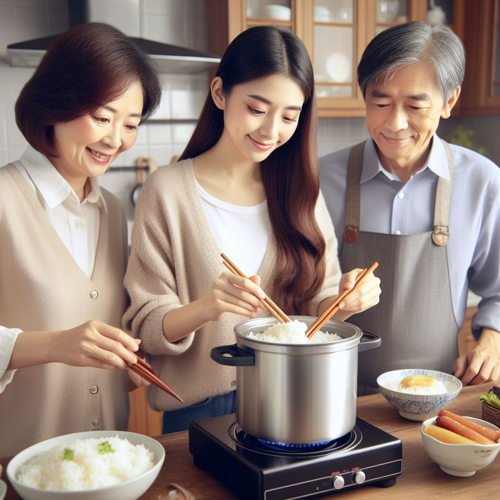
You might wonder if splurging on a high-end rice pot is worth it. Well, it all boils down to what you need. Affordable pots can do the job, but a quality pot might give you more bang for your buck over time. Here’s the thing: cheap pots can cook rice, but they might wear out quickly or cook unevenly. On the other hand, investing a bit more in a durable pot could save you money and hassle in the long run.
Think about it this way: a good pot is not just about cooking rice. It’s about getting that perfect texture and flavor every single time without a fuss. High-quality materials and innovative designs can make a significant difference in performance. Plus, they often come with better heat distribution and non-stick surfaces, making your cooking experience smoother and cleanup a breeze.
Long-term Investment in a Good Pot
Investing in a top-notch rice pot is a smart move for anyone who loves their grains perfectly cooked. A high-quality pot is like a faithful kitchen companion, standing by your side meal after meal. It’s not just about the initial purchase; it’s about how much value it brings over its lifetime.
Here’s a little secret: sometimes, spending a bit more upfront can actually be more economical. Think longevity and durability. A sturdy pot won’t just last longer; it will also maintain its performance, ensuring that your rice is always cooked to perfection. This means less frustration and fewer burned or undercooked batches. Moreover, a pot with a solid warranty or good customer support can provide peace of mind and protect your investment.

FAQ
FAQ1: Can the shape of the pot influence rice cooking?
Yes, the shape of the pot can influence the cooking process of rice. Pots with a wider base allow for more even heat distribution, reducing the chances of burning. On the other hand, taller pots may concentrate heat more at the bottom, which can affect the uniformity of cooking.
- Wide Base Pots: Promote even heating and reduce the risk of burning rice at the bottom.
- Tall pots may require more stirring to ensure even cooking, especially for larger quantities of rice.
FAQ2: What Type of Lid Should a Rice Cooking Pot Have?
The lid of a rice cooking pot is critical for perfect rice. A tight-fitting lid traps steam inside the pot, which is essential for the rice to cook evenly and become fluffy.
- Tight-Fitting Lids: These are crucial for maintaining the right amount of pressure and steam within the pot, leading to well-cooked rice.
- Vented Lids: Some pots come with vented lids, which allow excess steam to escape, preventing overcooking or sogginess.
Quickly revisiting our selections before we proceed.
Best Traditional Pots for Cooking Rice
Smart Rice Cooking Pots
Conclusion
Choosing the best pot for cooking rice isn’t just about finding a container where your rice won’t stick or burn. It’s about enhancing the flavor, texture, and overall quality of your rice dishes. The most important thing to remember is that a good rice pot should distribute heat evenly and maintain a stable temperature. Whether you’re leaning towards a traditional clay pot, a durable stainless steel option, or a non-stick-coated pot, each has its own benefits tailored to different cooking preferences.
Remember, the key to perfectly cooked rice lies not just in the pot but in understanding how it complements your cooking method. Non-stick pots are great for easy clean-up; stainless steel pots offer durability and versatility; and clay pots can add a unique flavor to your rice. Pairing your pot choice with proper cooking techniques will ensure that your rice is always fluffy and delicious.
In wrapping up, the journey to find the best pot for cooking rice might seem daunting, but it’s really about matching your cooking habits with the right tool. Keep in mind that material, size, and design all play crucial roles in how your rice turns out. Embrace the process, and soon you’ll find the perfect companion for all your rice dishes, elevating your meals from good to great.
 https://bistrovivant.com is a participant in the Amazon Services LLC Associates Program, an affiliate advertising program designed to provide a means for website owners to earn advertising fees by advertising and linking to Amazon (.com,.co.uk,.ca, etc.) and any other website that may be affiliated with the Amazon Service LLC Associates Program. As an Amazon Associate, I earn from qualifying purchases.